The Honor Code and Honor System
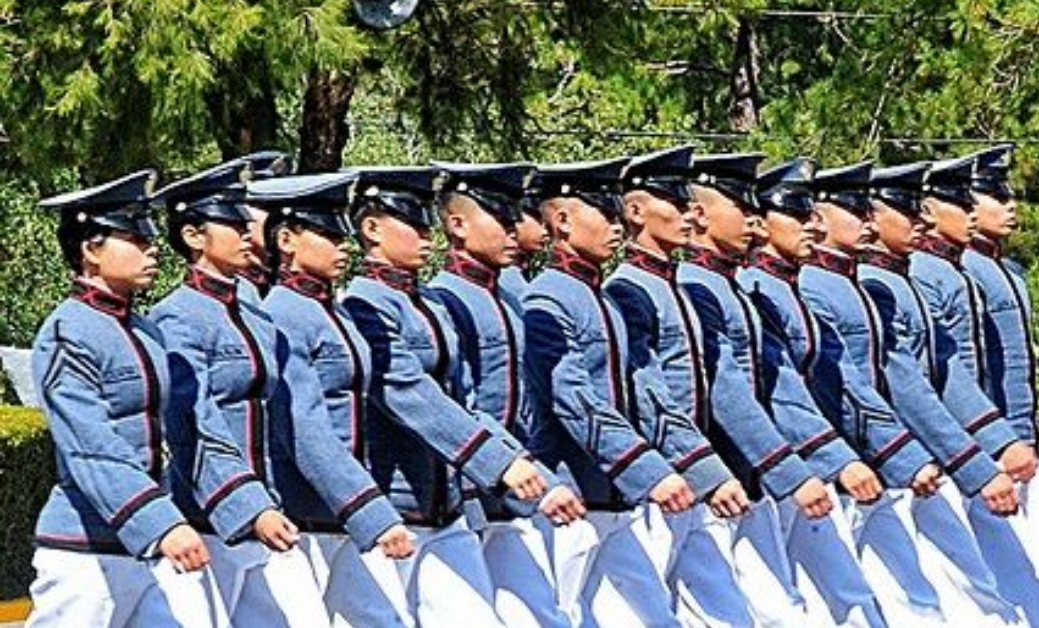
There are different rites and ceremonies participated in by all cadets of the Philippine Military Academy. It starts right from the very first day a new cadet reports to Fort Del Pilar and ends on March Week when the cadet finally leaves the Academy as a graduate.
"We, the cadets, do not lie, cheat, steal, nor tolerate among us those who do so."
A Cadet does not lie. He always tells the truth regardless of the consequences. He does not quibble or make evasive statements.
A cadet does not cheat. He does not defraud others nor does he take undue advantage of them. Whatever credit he earns in any cadet activity is wholly his own.
A cadet does not steal. He does not take the personal property of another without the latter's consent. He does not keep for himself anything that he finds which does not belong to him.
A cadet does not do any of these things and he does not tolerate any violations of the Code. He is bound to report any breach of the code that comes to his attention. He does not countenance by inaction any honor violation; if he were to, he becomes a party to such violation and he himself is as guilty as the original violator.
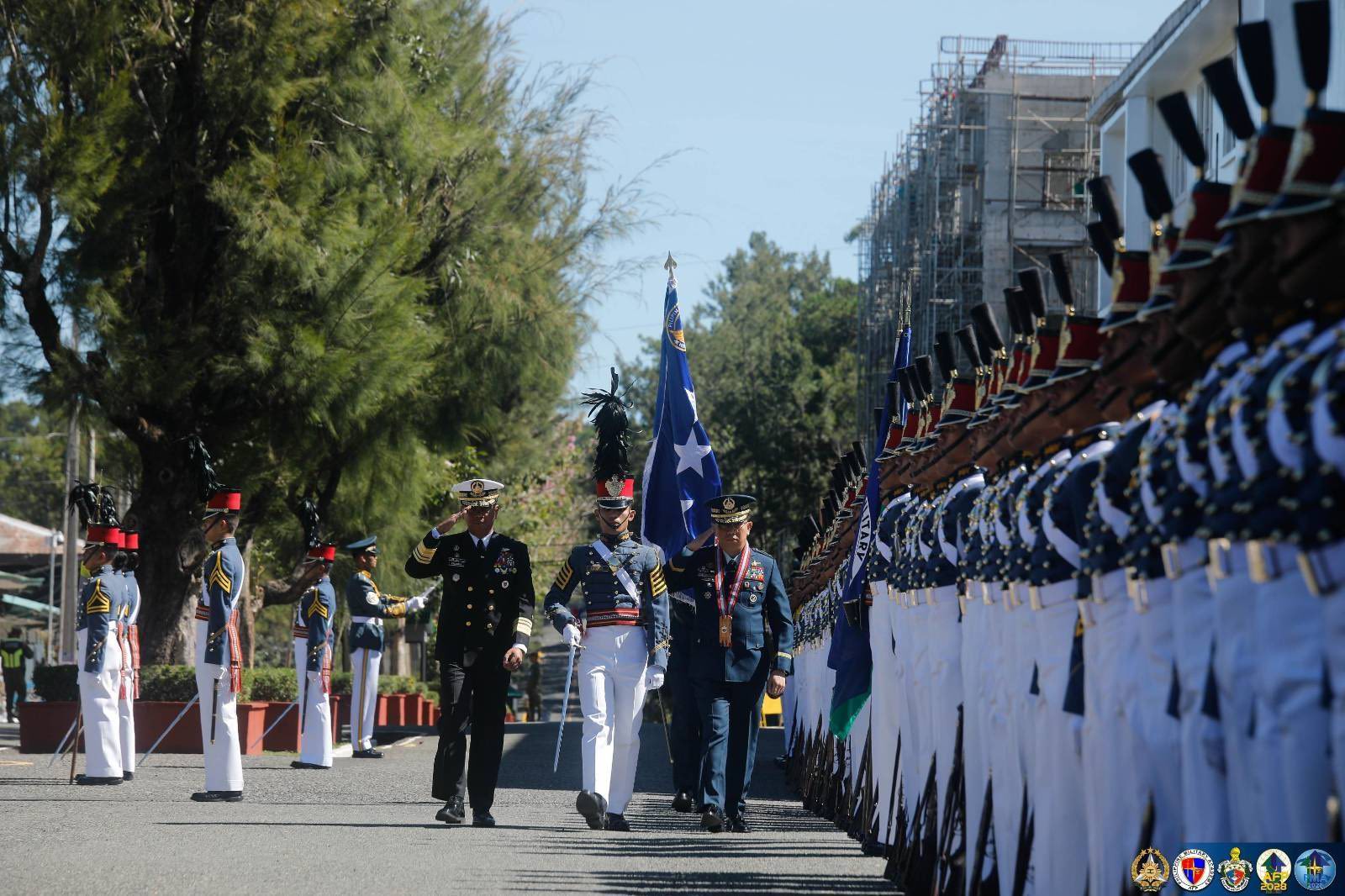
The Honor System transcends all ranks and class barriers. No cadet, regardless of his rank and class is above the System. No violator of the Code is granted immunity. No cadet who violates the Code can redeem himself from the violation he commits.
The spirit of the Honor System is based on two basic questions:
Do I intend to deceive?
Do I intend to take undue advantage?
If a cadet can answer "No" to both questions, then he is doing the honorable thing and is not guilty of any honor violation.
As the Class of 1951 would succinctly describe in their article on the Honor Committee, one could get a tangible picture of the impact, implication, and relevance of the System in the Cadet Corps. The following are exerpts which were taken from that article:
"The Honor Code is our pride as it is our heritage; we will hold its trust long after we have
left
the gray line. We will be guided by its principles of fearless truth regardless of
consequence,
a
sine qua non in our profession of arms."
"We admit that every man who enters the Academy has been subjected to different environments
which
we cannot expect to change in a short time, but we strive to help him in his adjustment to a
new
system where his word is accepted as the truth. Emphasis is placed on the fact that a
rendition
of a
report with knowledge of the existence of an anomaly is dishonesty intolerable among the
group
of
gentlemen the Corps endeavors to produce."
"Our Code does not deviate from the universal concept of Honor. It demands the truth,
nothing
else,
but the truth both by act and implication. Each cadet becomes a zealous guardian to this
earmark
of
the Corps and will report another or himself for a violation of honor. It is in keeping this
priceless legacy from our predecessors that we seek to transmit it unblemished to the
unending
gray
line."
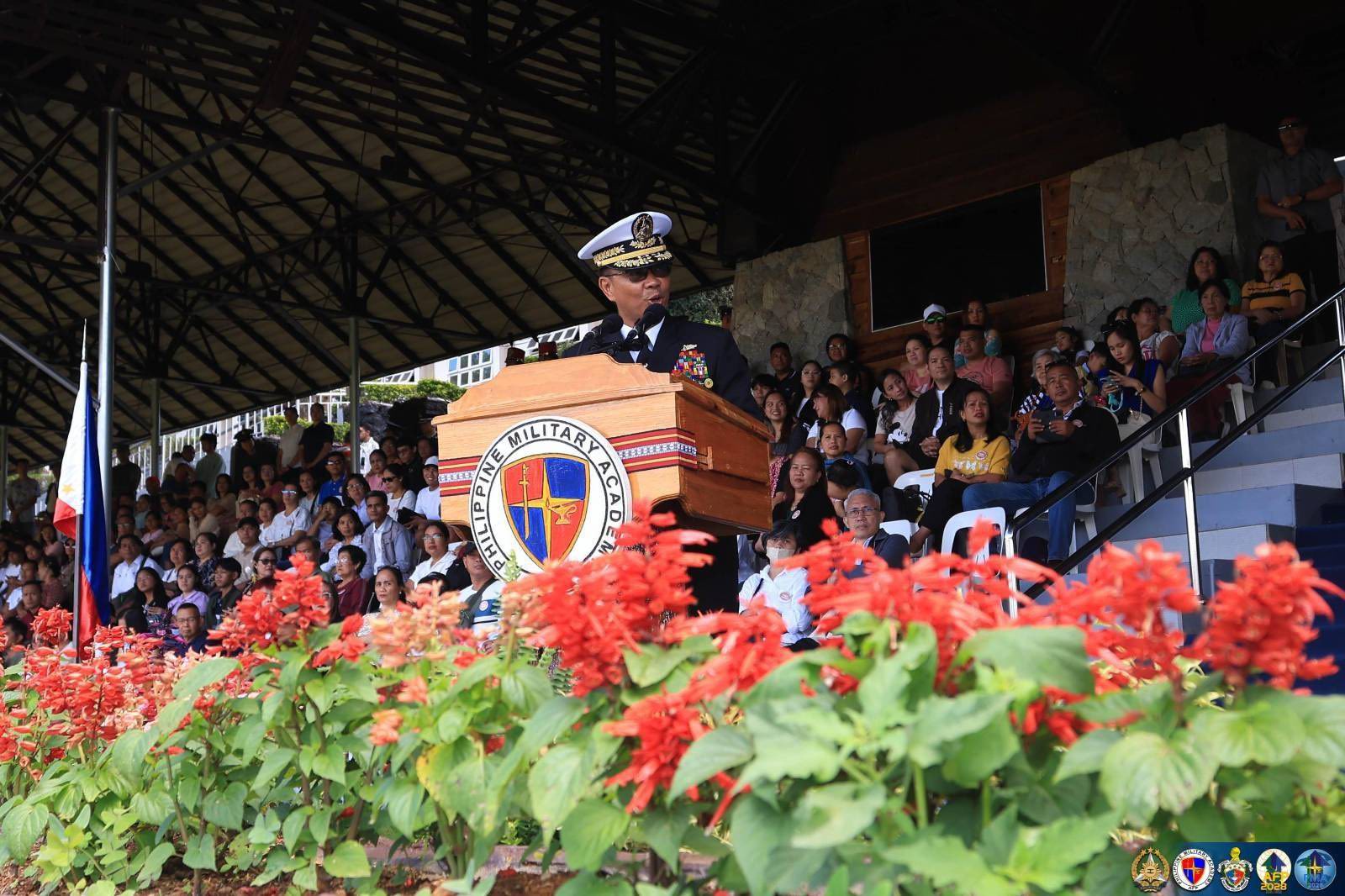
Truth is the virtue of the Corps. But as in all generalities there exists an exception, a certain individual will fail the trust exacted of him by the Code. Herein lies the main task for which the Honor Committee, a purely cadet body was organized. It should be noted that in the past, it was purely an investigating body and does not have the authority to impose a punitive action against the erring cadet.
A formal investigation of the honor irregularity is undertaken and unanimous votes of its members determine whether the cadet is guilty or innocent of a violation of honor. Confidential reports of the case with accompanying recommendations are then forwarded to the Commandant of Cadets for official action.
To foster the spirit of truth which the Code aims to imbibe in each cadet and to prevent the occurrence of practices inconsistent with its principles, the Honor Committee has made it a policy to conduct periodic lectures to each class giving its interpretation of various controversial points that may arise.
With the entrance of each plebe class on April 1, it assumed the responsibility of indoctrinating the fourthclassmen to the Code under which they had to live as cadets and future officers.