What is the CLDS?
The Cadet Leadership Development System is our framework for organizing everything a cadet goes through, from Reception Day to Graduation Day. It focuses, integrates and synchronizes all cadet development activities so that each one supports our mission.
It links our long-term strategy (the PMA Road Map 2028) to the daily programs that train cadets, and it gives cadets, staff and faculty one shared understanding of how that training fits together.
The Be-Know-Do Leadership Model
A leader is defined by character, competence and action, and the whole is greater than the sum of its parts.
BE
Identity: character
The ten core values, plus the physical, mental, emotional, social, moral and spiritual attributes of an officer.
- Values and traits: the ten core values
- Physical, mental, emotional, social, moral and spiritual attributes
KNOW
Competence: knowledge and skills
Knowing standards, yourself, human nature, your job, your unit and society. Skills are psychomotor, reasoning, relational and managerial.
- Standards, yourself, human nature
- Your job, your unit, society
- Skills: psychomotor, reasoning, relational and managerial
DO
Action: what leaders do
Influencing people by example, guiding them through teaching and mentoring, and directing them through planning and decision-making.
- Influencing: setting the example, advocating, networking
- Guiding: teaching, coaching, counseling, mentoring
- Directing: planning, decision-making, supervising
The Ten Core Values
Five Graduate Roles
These are the target results of the CLDS. Every program and activity is designed to prepare cadets for them.

Leader of Character
Honorable and credible, and lives our core values at all times.
Builds loyalty and respect for the chain of command by following the AFP Code of Ethics, regulations, customs and traditions.
Combatant
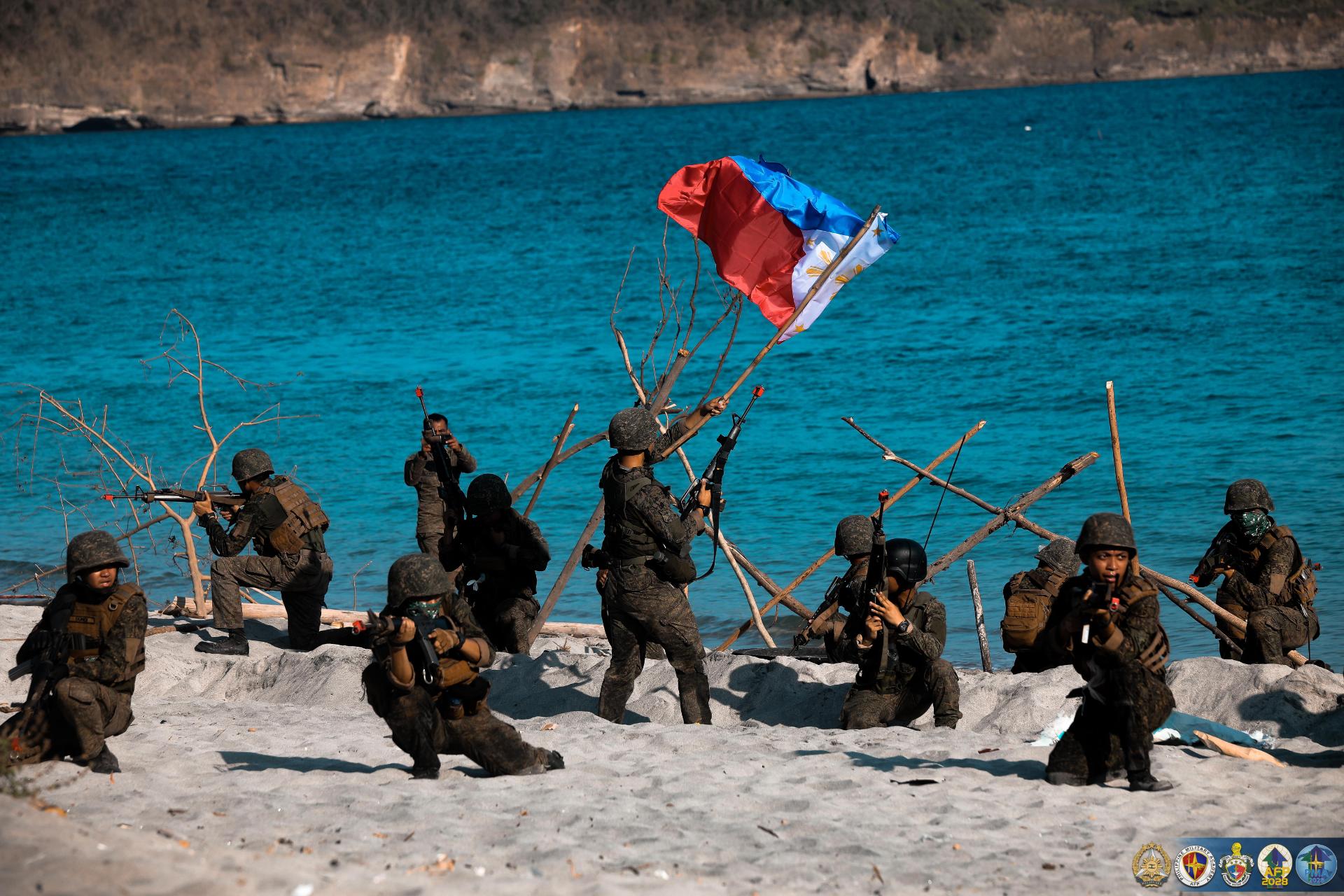
Shows the warrior ethos and physical toughness, and follows the laws of war.
Thinks and acts with purpose under varied conditions, understands social and cultural issues at the community level, and applies military doctrine to the nation's current threats.
Military Professional
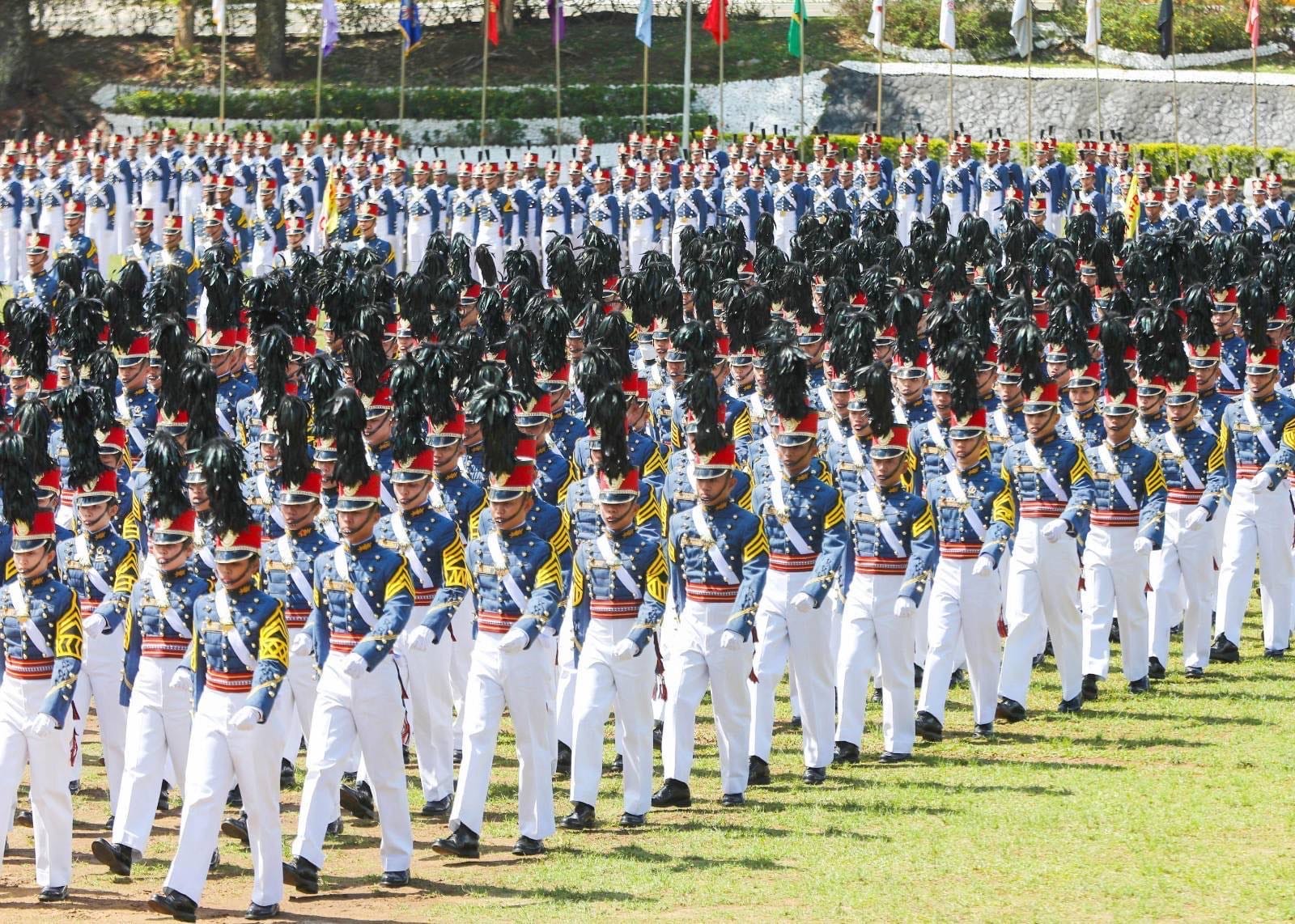
Committed to selfless service and continuous professional growth.
Shows moral and ethical responsibility, meets the standards of the profession, and has the initiative and passion to keep growing.
Manager of Resources
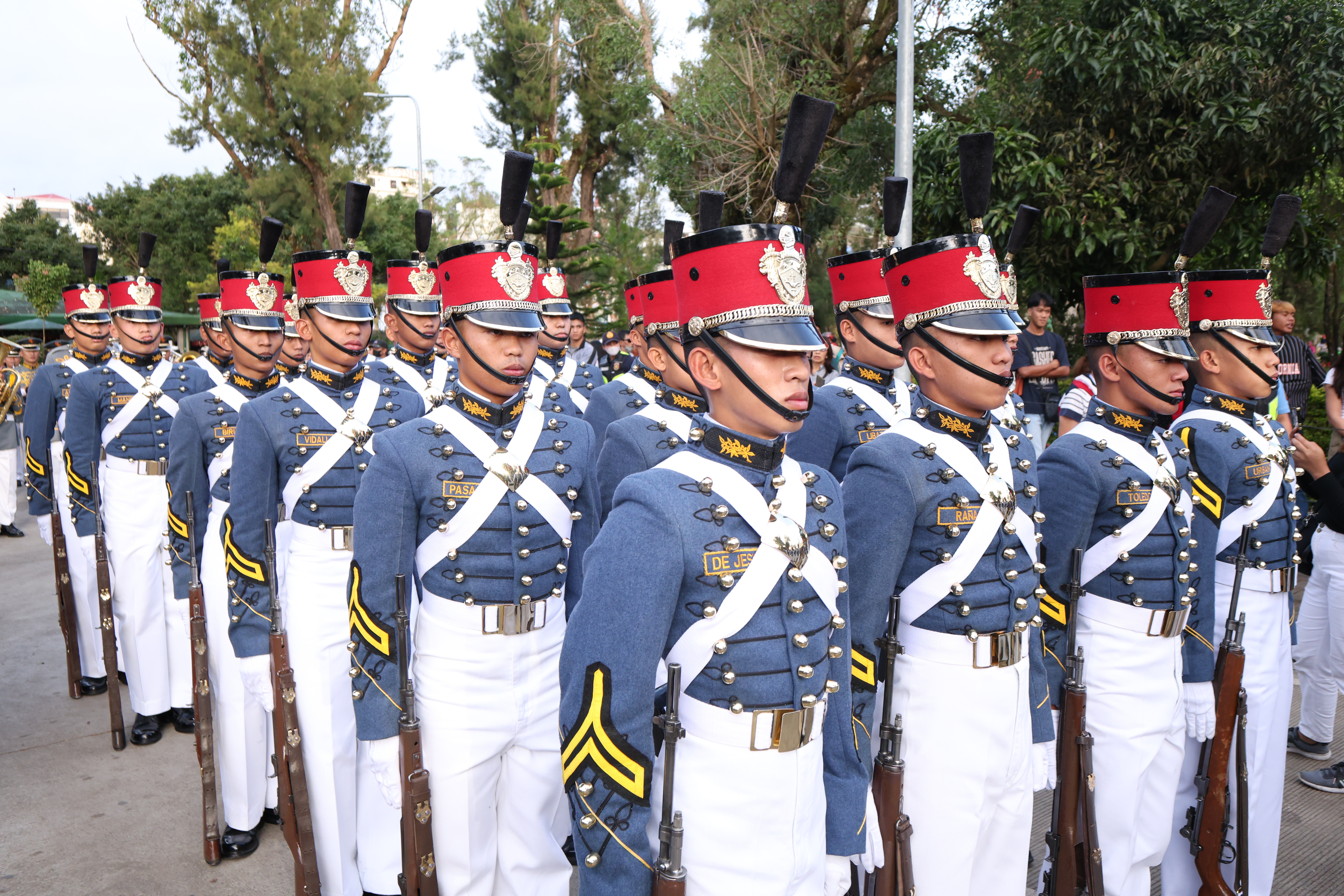
Manages unit resources with sound judgment and accountability.
Uses authority and good judgment prudently, and takes responsibility and accountability for managing the unit's resources.
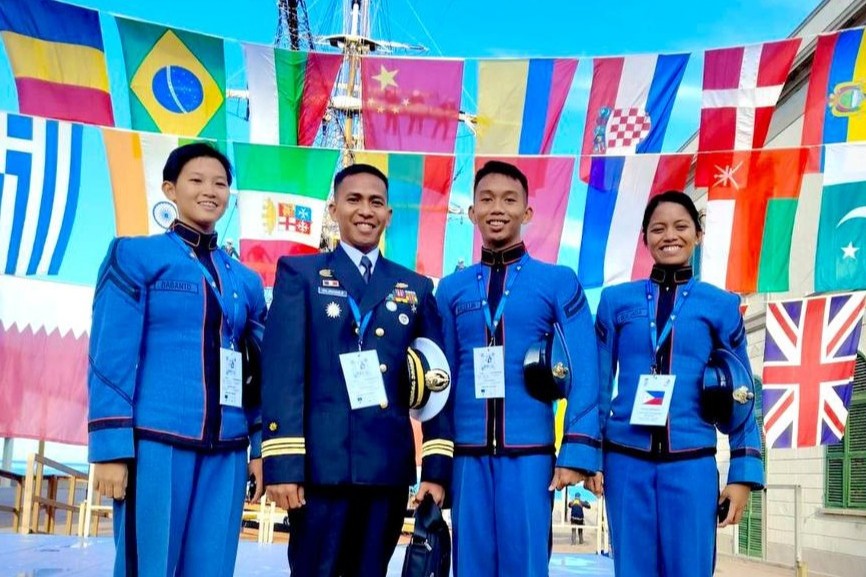
Partner in National Development
Works with government, civil society and communities for the general welfare.
Takes part in development projects and works with government and non-government organizations, civil society and other uniformed services.
Four Core Development Programs
Character, Academic, Military and Physical (CAMP). Each has its own focus, and all of them develop leadership.
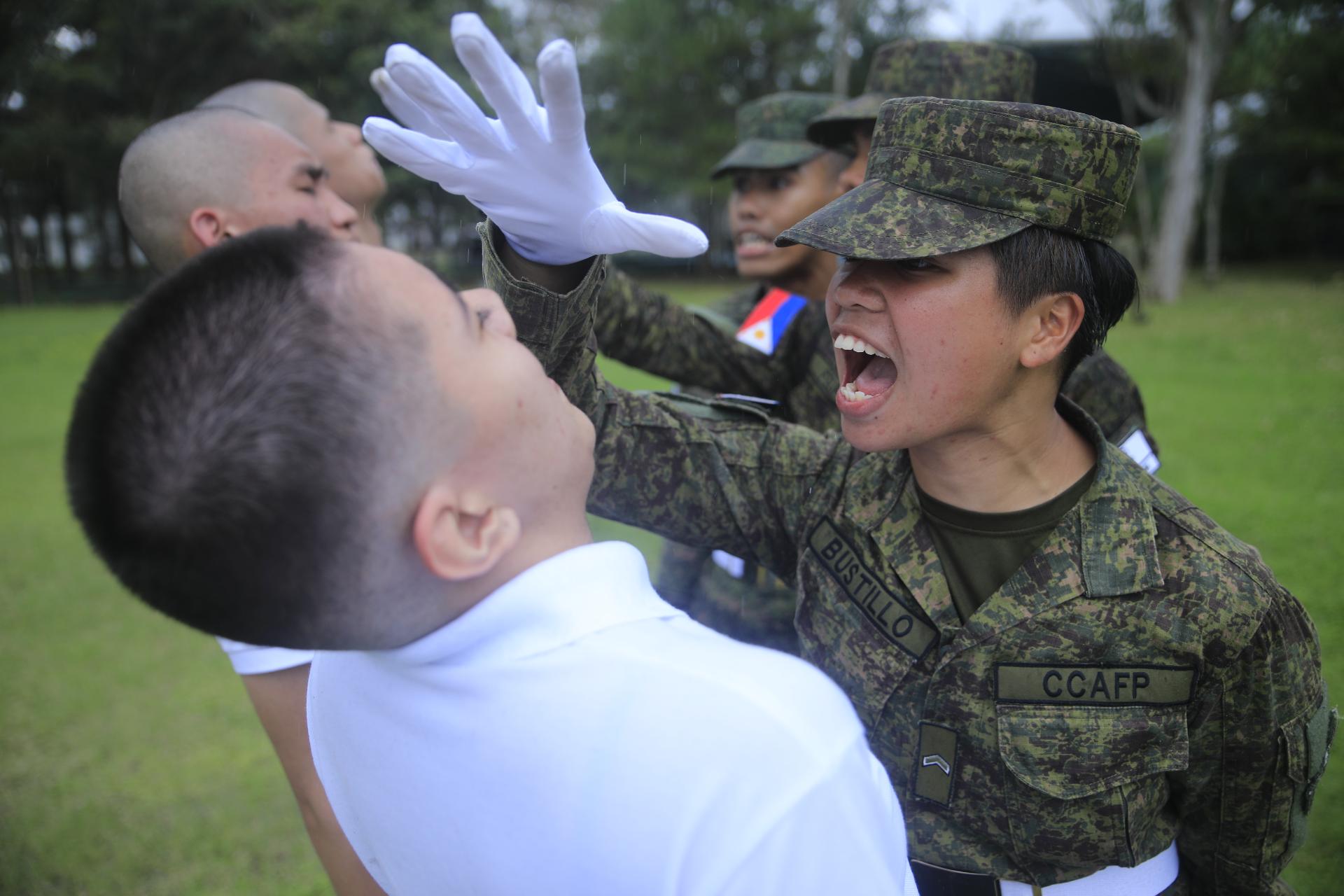 Character
 and Leadership
Builds a moral and ethical foundation through the Honor System, values education, forums and the Leadership Enhancement Period.
- The Honor System and Honor Code
- Values education and the Everyday Heroes and Warrior Leaders forums
- Guided film discussions on moral dilemmas
- A Leadership Enhancement Period at the end of each academic term
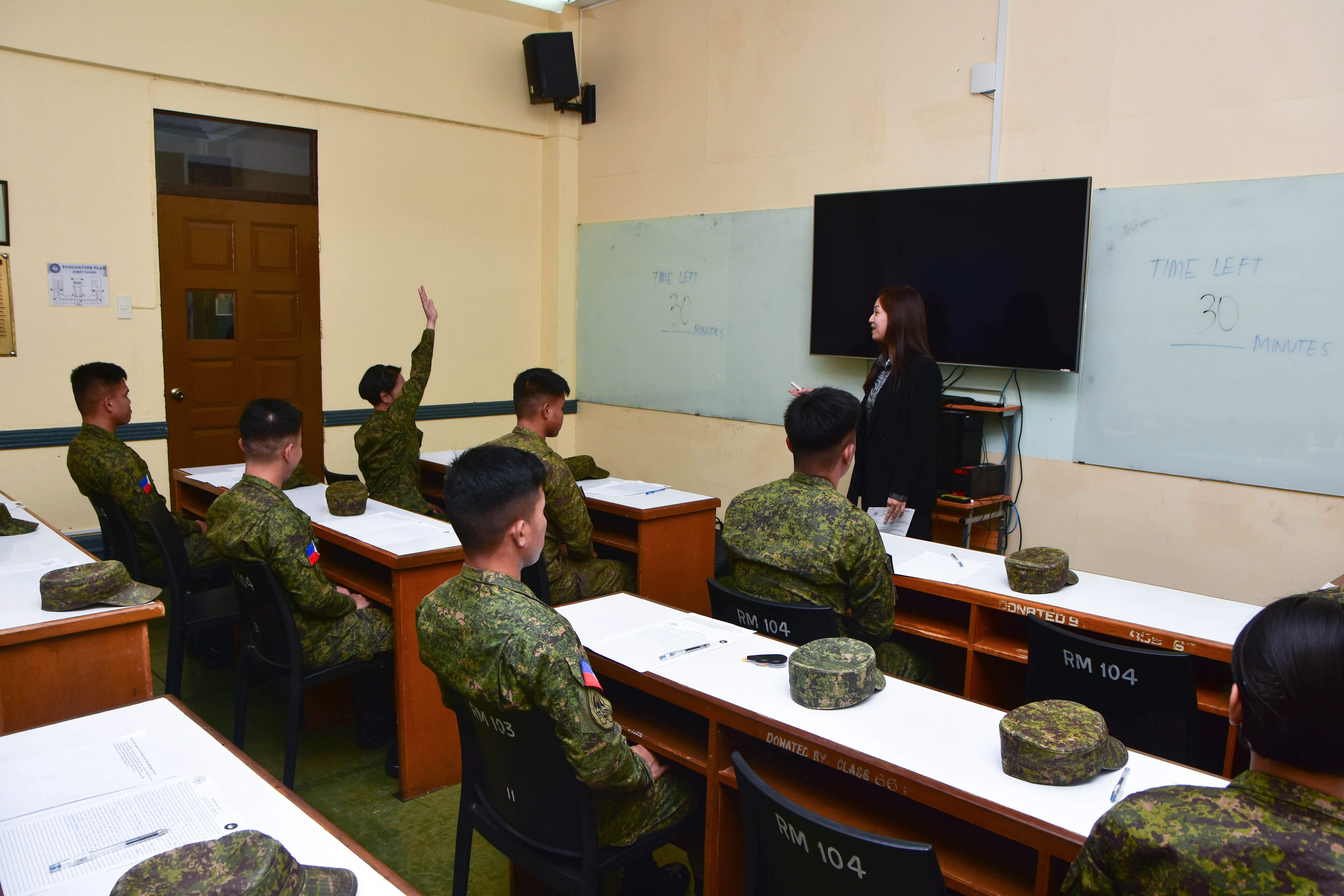 Academic
 Program
A balanced arts and sciences curriculum that builds critical, analytical and creative thinkers, backed by mentoring and a Bridge Program.
- Liberal arts and sciences core courses
- Faculty mentoring for every cadet
- A Bridge Program for English and Mathematics
- Visiting professors and a faculty colloquium series
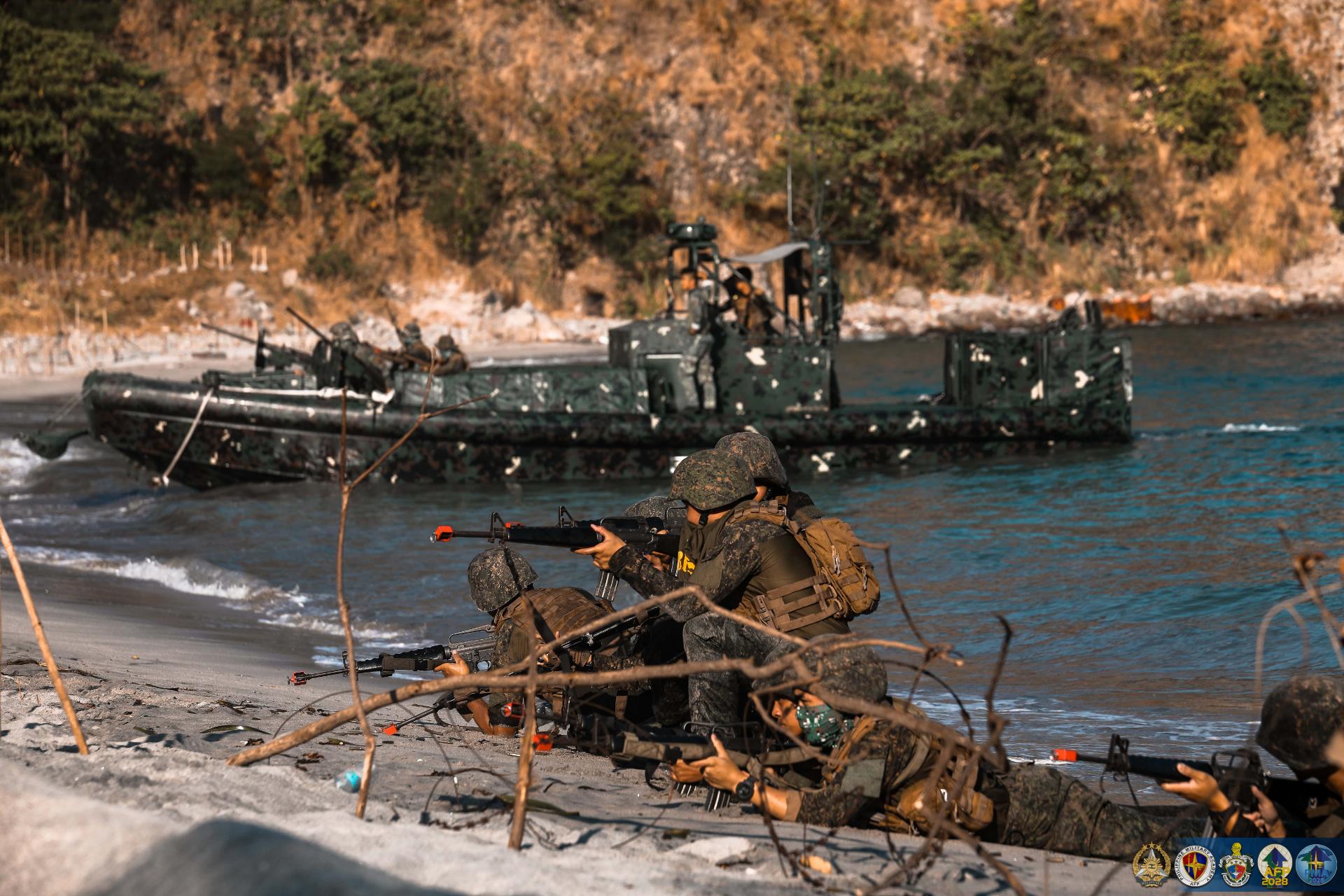 Military
 and Professional
Military training, military science, leadership and professional development, within the cadet chain of command.
- Military training, military science and military leadership
- Professional development for the Army, Navy and Air Force
- The Buddy System and the cadet chain of command
- Clubs and organizations for practicing leadership
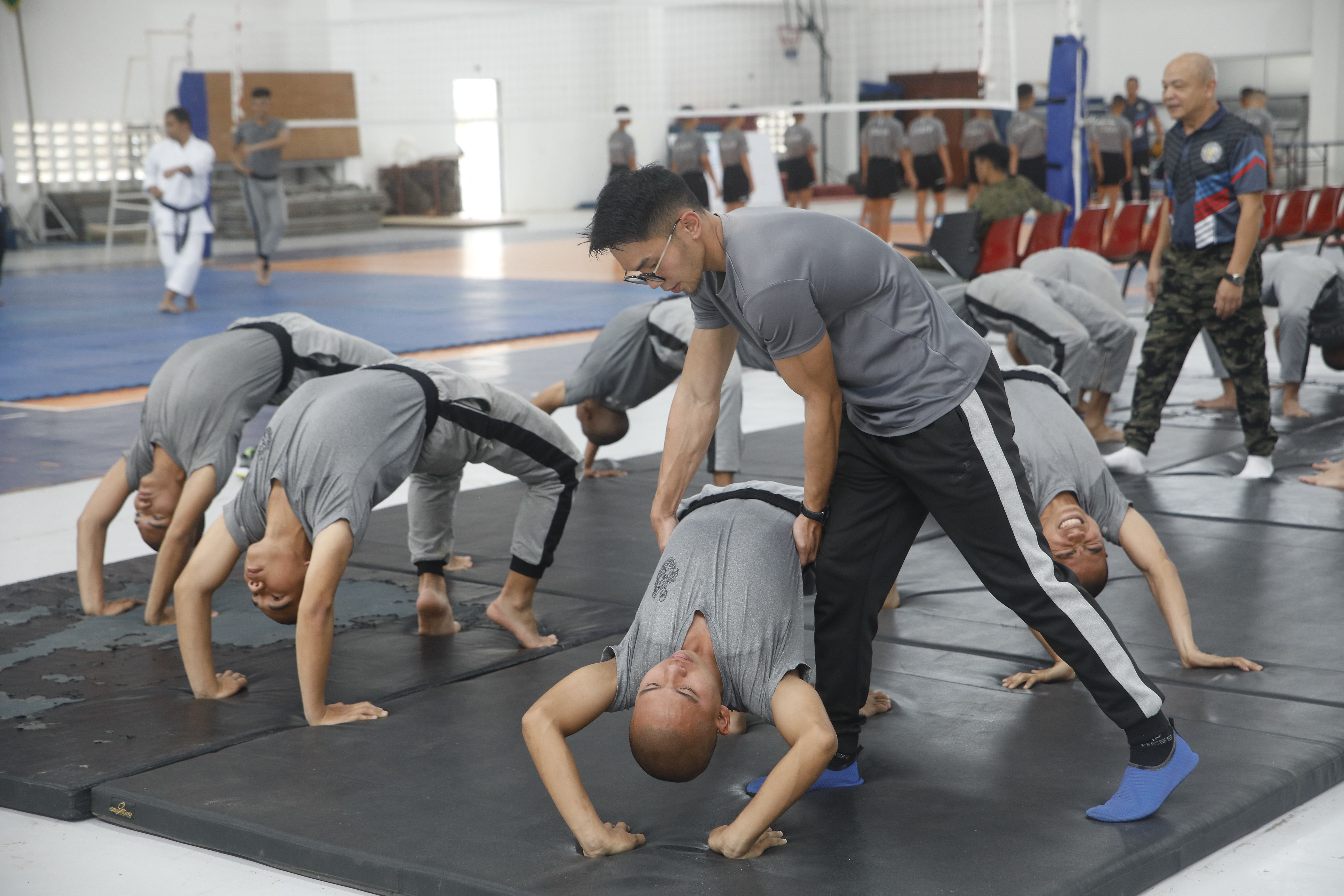 Physical
Sports and Physical
Fitness testing, sports fundamentals and competitive sports that build strength, stamina and teamwork.
- Physical Fitness Test: push-ups, sit-ups, pull-ups, standing long jump and a 3200 m run
- Sports fundamentals, including coaching and sports management
- Intramurals and varsity competition
- A remedial program for cadets who need support
Four Years, Four Stages
Development is sequential and progressive, and it runs 24 hours a day, 7 days a week.
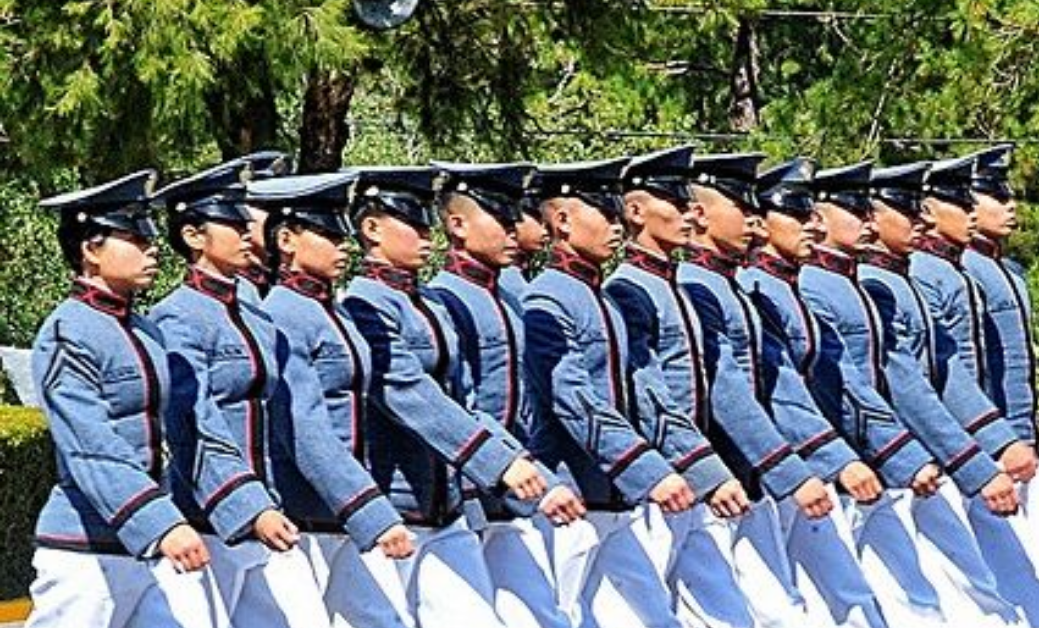 Year 1
Followership
Learn customs, discipline and the core values as a team member.
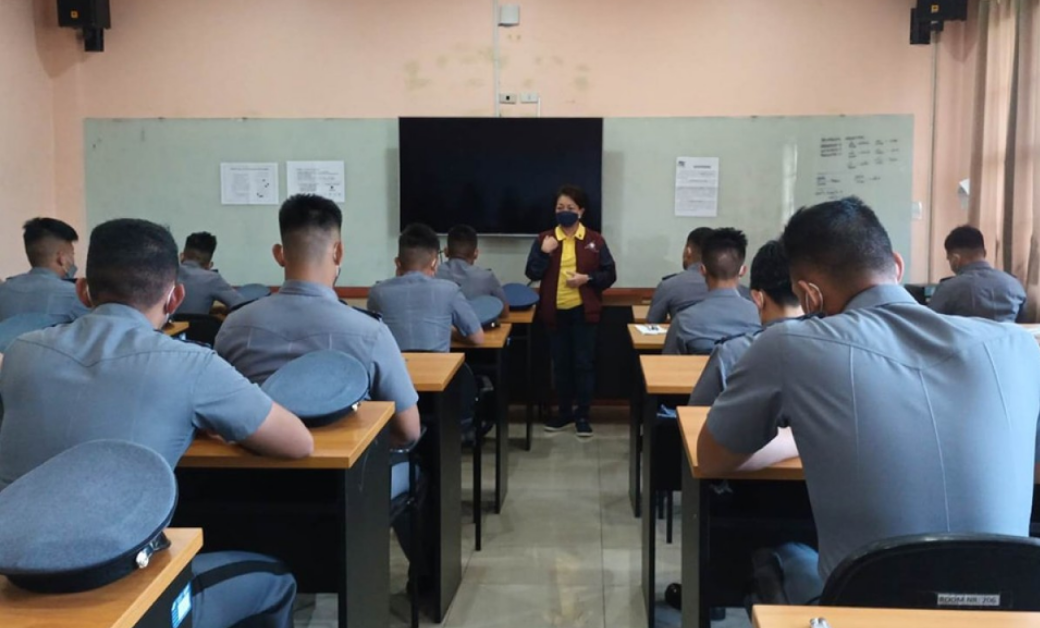 Year 2
Self-Mastery
Build self-awareness and serve as team leaders and buddies to plebes.
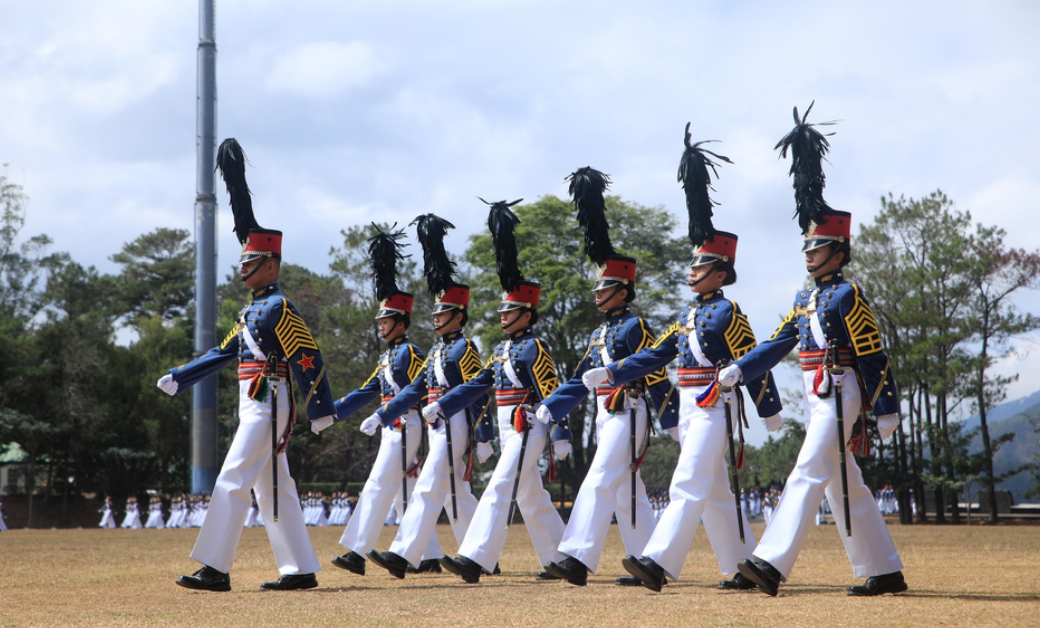 Year 3
Small-Unit Leadership
Lead squads as sergeants, with counseling, mentoring and accountability.
 Year 4
Organizational Leadership
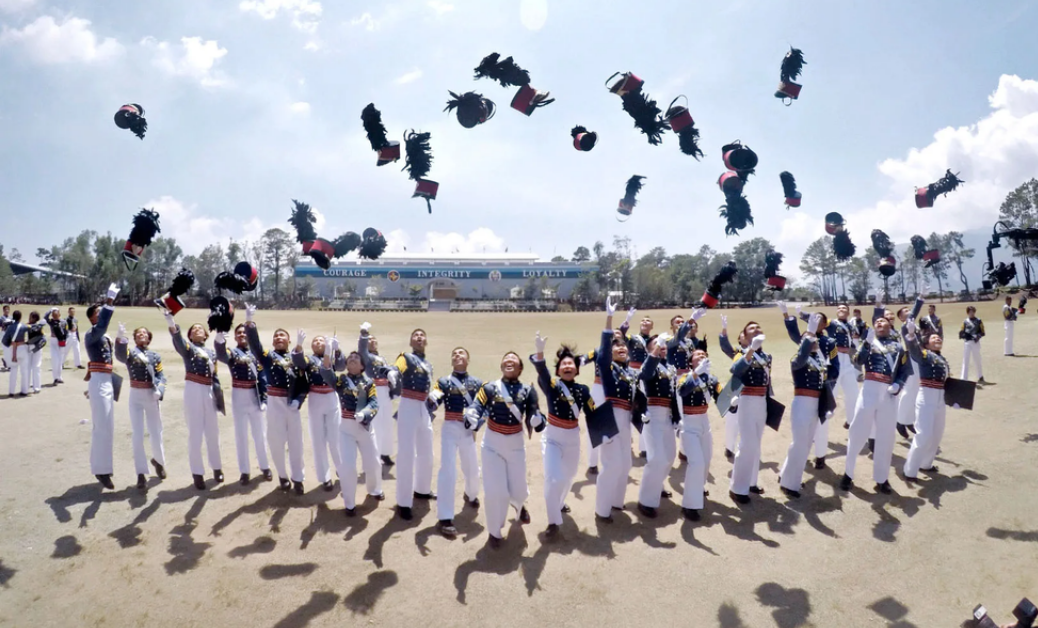
Lead the Corps as cadet officers and prepare for commissioning.
No one can be a good leader without first being a good follower.
How the System Is Designed
Design Principles
- Focused
- Integrated
- Culture-based
- Sequential and progressive
- Goal-oriented and standards-based
- Transformational
- Clear sense of ownership
- Common core, customized outcome
- Principle-centered
- Culture of excellence
Development Domains
Growth is holistic, across seven domains:
Development Methods
- Role modeling: upperclassmen, officers and faculty lead by example.
- Mentoring: educational, career and personal guidance.
- Immersion and exposure: real-world experience beyond our gates.
- Stakeholder interaction: serving the people and institutions we answer to.
- Institutional training: formal and informal.
- Self-development: a lifelong drive to improve.
"We the Cadets do not lie, cheat, steal nor tolerate among us those who do."
The Cadet Honor CodeSupport Structure
Everyone in our community shares responsibility for developing cadets.
Center for Leadership and Professional Excellence
The CLPE is the focal point for implementing the CLDS and keeps all programs aligned.
Tactical Teams
Tactical officers and NCOs lead each cadet company. They mentor cadets and carry out the intent of the CLDS.
Cadet Chain of Command
A brigade of four battalions and eight companies gives cadets hands-on leadership practice.
Honor System
Keeps the Honor Code alive and is the main mechanism for character development.
Mentors and Counselors
Faculty mentors, the Guidance and Counseling Office, peer counselors and the chaplaincy.
Our Community
Staff and faculty, the Foster Parents Program, cadet clubs and organizations.
Assessment and Continuous Improvement
Assessment
Cadets get feedback from tests, peers, inspections and mentors, and from their own self-assessment.
Evaluation
A Military Performance grade measures progress against the five graduate roles. Commanders and stakeholders also evaluate graduates after commissioning.
Continuity
The CLDS is a work in progress. We keep refining it to stay aligned with our strategic plan.